

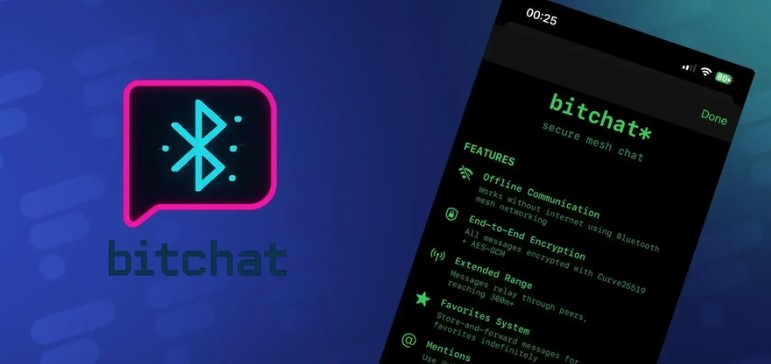
Opposition leader Robert Kyagulanyi, popularly known as Bobi Wine, has endorsed the use of the Bitchat application for election communication and coordination,
In 2021, Bobi Wine endorsed the UVote app amid fears that government could disrupt internet access during upcoming election dates but it failed to meet its objectives to the internet difficultites..
Bobi Wine, who leads the National Unity Platform (NUP), is making daily reminders on his X (formerly Twitter) account addressing supporters and digital activists, arguing that Uganda’s recent electoral history justifies caution when it comes to online platforms that depend heavily on uninterrupted internet connectivity.
“We have seen this movie before,” Bobi Wine said, referencing past elections in which social media platforms and internet services were restricted. “We cannot put all our trust in systems that can be switched off at the press of a button.”
The endorsement comes as political actors and civil society groups increasingly turn to digital tools to mobilise supporters, monitor polling processes, and share results in real time. UVote, a locally developed civic tech platform, has been promoted as a tool for voter engagement and election monitoring. However, Bobi Wine expressed concern that such platforms could be rendered ineffective if authorities impose internet restrictions, particularly during voting and tallying periods.
Bitchat, which Bobi Wine encouraged supporters to adopt, is promoted as a decentralised communication application that can operate with limited reliance on conventional internet infrastructure. According to NUP-aligned digital organisers, the app is designed to allow peer-to-peer communication and information sharing even under constrained connectivity conditions.
“Our priority is to ensure that citizens can communicate, document, and share information no matter the circumstances,” Bobi Wine said. “If the internet is disrupted, people should still have a way to talk to each other and expose electoral abuses.”
Government has previously defended internet restrictions as necessary for national security and public order. During the 2021 general elections, authorities temporarily shut down social media and restricted internet access, a move that drew criticism from opposition groups, human rights organisations, and sections of the international community.
While there has been no official announcement of planned internet restrictions for the forthcoming polls, concerns remain high among opposition supporters and digital rights advocates. Analysts say Bobi Wine’s endorsement reflects a broader mistrust of state-controlled digital infrastructure and a growing interest in alternative technologies that can bypass centralised systems.
Officials associated with UVote have not directly responded to Bobi Wine’s remarks, but some civic tech advocates caution against dismissing platforms outright. They argue that multiple tools—both online and offline—are needed to safeguard electoral transparency, and warn that over-politicising digital platforms could undermine public confidence in citizen-led initiatives.
Security officials, for their part, have repeatedly said the government has no interest in suppressing legitimate political activity, insisting that any actions taken during elections will be guided by the law.
As the country heads into a tense electoral period, Bobi Wine’s call has resonated strongly with his support base, particularly young voters who are active online and wary of disruptions. The endorsement of Bitchat signals a shift toward resilience-focused digital organising, reflecting lessons drawn from past elections.
Whether internet services remain fully accessible on polling days remains to be seen. But for now, the opposition leader’s message is clear: prepare for all scenarios, and ensure that the flow of information does not depend on systems that could be shut down when they are needed most.
Hmm it appears like your website ate my first comment (it was super long) so I guess
I’ll just sum it up what I wrote and say, I’m thoroughly
enjoying your blog. I as well am an aspiring blog blogger
but I’m still new to everything. Do you have any tips and hints for inexperienced blog writers?
I’d genuinely appreciate it.
Hi dear, you can keep that dream on as an aspiring blogger. Write and send your content @digitalvibersug@gmail.comwe shall find a place for you