

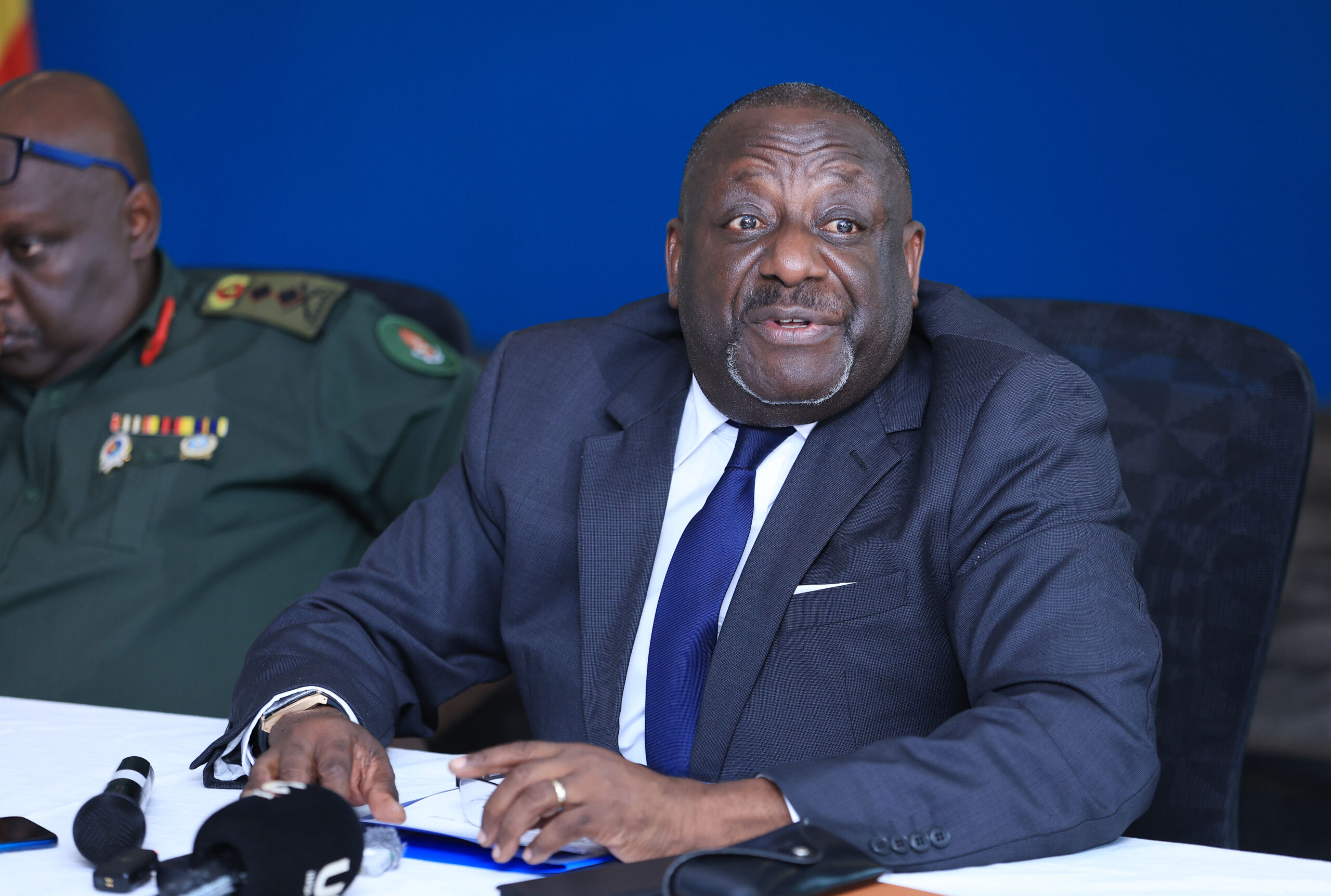
UCC executive director Nyombi Thembo said the operators were buying internet packages intended for private use and reselling connectivity to the public without the required licences.
“The commission has completed its assessment of these illegal operators, and we are now moving to enforcement. Approximately 4,000 unlicensed providers are offering public Wi-Fi services across the country, and this number increases by the day,” Thembo said.
He said the operations undermine licensed telecommunications companies that invest in infrastructure, pay taxes and comply with regulatory requirements.
According to Thembo, licensed operators charge about sh2,000 per gigabyte, inclusive of taxes and regulatory fees, while unlicensed providers sell internet access for about sh1,000 without meeting similar obligations.
“This internet is not cheap. When you consider the risks and obligations these operators are avoiding, it is more expensive than internet offered by a licensed operator,” he said.
Thembo said about 1.5 million customers had shifted to unlicensed services, potentially affecting the economies of scale that have helped licensed operators reduce data prices.
Julianne Mweheire, the UCC director of economic regulation, content and consumer affairs, said increased data consumption should ordinarily lead to lower prices, but the expected decline had stalled.
“The more customers use data services, and the more uptake increases, the more we should see a continuous decline in data prices. But that is not happening,” Mweheire said.
She said the commission’s assessment found that the operators had failed all 11 regulatory requirements examined, including licensing, cybersecurity, consumer protection and infrastructure compliance.
Thembo warned that unlicensed services exposed consumers to risks, including limited avenues for complaints, possible misuse of personal data, poor service quality and interference with licensed networks. He also raised safety concerns over routers installed on public infrastructure, including electricity poles.
The commission is working with the Uganda Revenue Authority to restrict the importation of telecommunications equipment by unlicensed operators. The planned enforcement exercise will involve identifying illegal installations, dismantling hotspots and seizing routers and related equipment.
However, Thembo said UCC was developing a compliance pathway for operators willing to transition to an authorised business model.
“We are regulators with a human face. We understand that our young people are desperate to get something to do, so we are proposing a compliance pathway for these operators,” he said.
He urged operators to dismantle their installations voluntarily and warned consumers against paying providers whose services could be interrupted during enforcement.
Consumers can verify internet service providers’ licensing status through UCC.
Thembo said the enforcement exercise was intended to protect government revenue, restore fair competition, safeguard consumers and support sustainable investment in Uganda’s communications sector.